
ID and OD sensitivity
One electromagnetic response can reveal changes originating from either side of the tube wall.
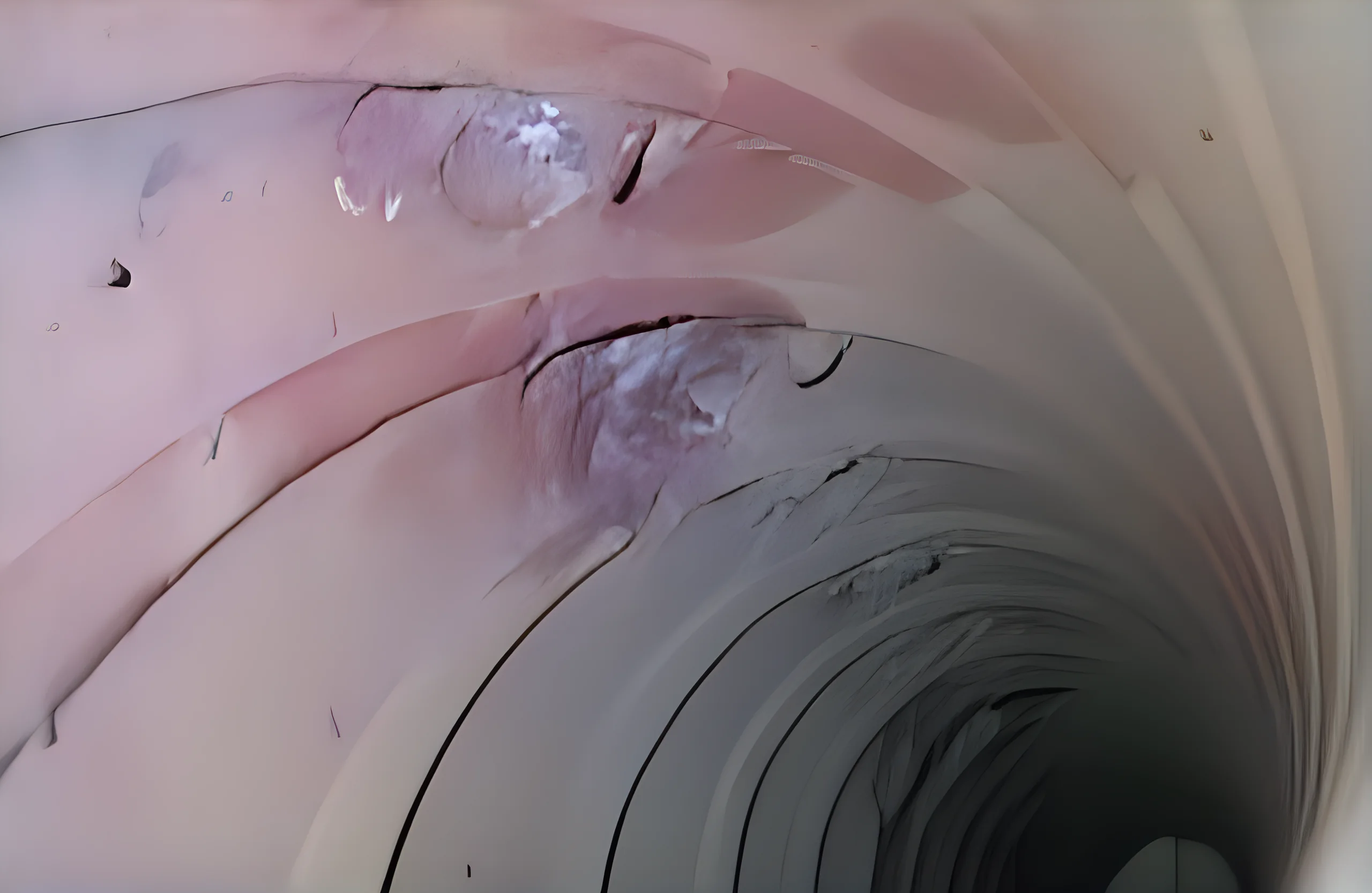
RFET boiler tube integrity
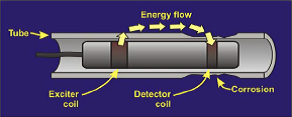
Remote Field Electromagnetic Technique (RFET) uses through-transmission electromagnetic induction to identify changes associated with tube-wall loss and permeability in ferrous water-wall tubes.
Asset challenge
Corrosion, erosion, hydrogen embrittlement, fatigue, dents and bulging can all affect tube integrity. RFET uses phase and amplitude response from an exciter-detector arrangement to reveal changes related to wall condition and magnetic permeability.
Inspection architecture
Select an evidence layer to see how it contributes to the inspection decision.
Alternating current at the exciter produces a low-powered magnetic field that travels through the tube wall.
Coverage & decision
RFET is used as a rapid, non-contact screening method during planned maintenance to improve tube coverage while reducing the friction, coupling and preparation requirements associated with some conventional approaches.
Field evidence
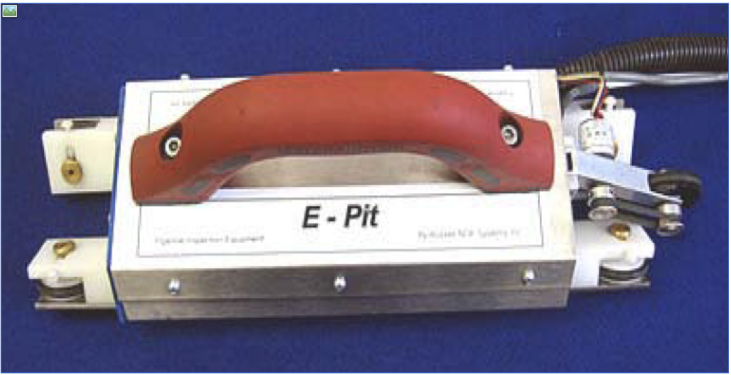
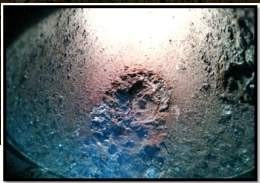
The imagery below is sourced from the original NDT Technologies service material and presented in a new evidence-led layout.
Engineering outcomes
The value is not the sensor alone—it is the quality, coverage and usability of the evidence it produces.
One electromagnetic response can reveal changes originating from either side of the tube wall.
Minimal probe friction and no couplant simplify field deployment.
Screen more tube length within maintenance windows.
Identify developing integrity concerns before they become leaks or forced outages.