
Superior defect resolution
Array-based detector positioning supports better spatial resolution of indications.
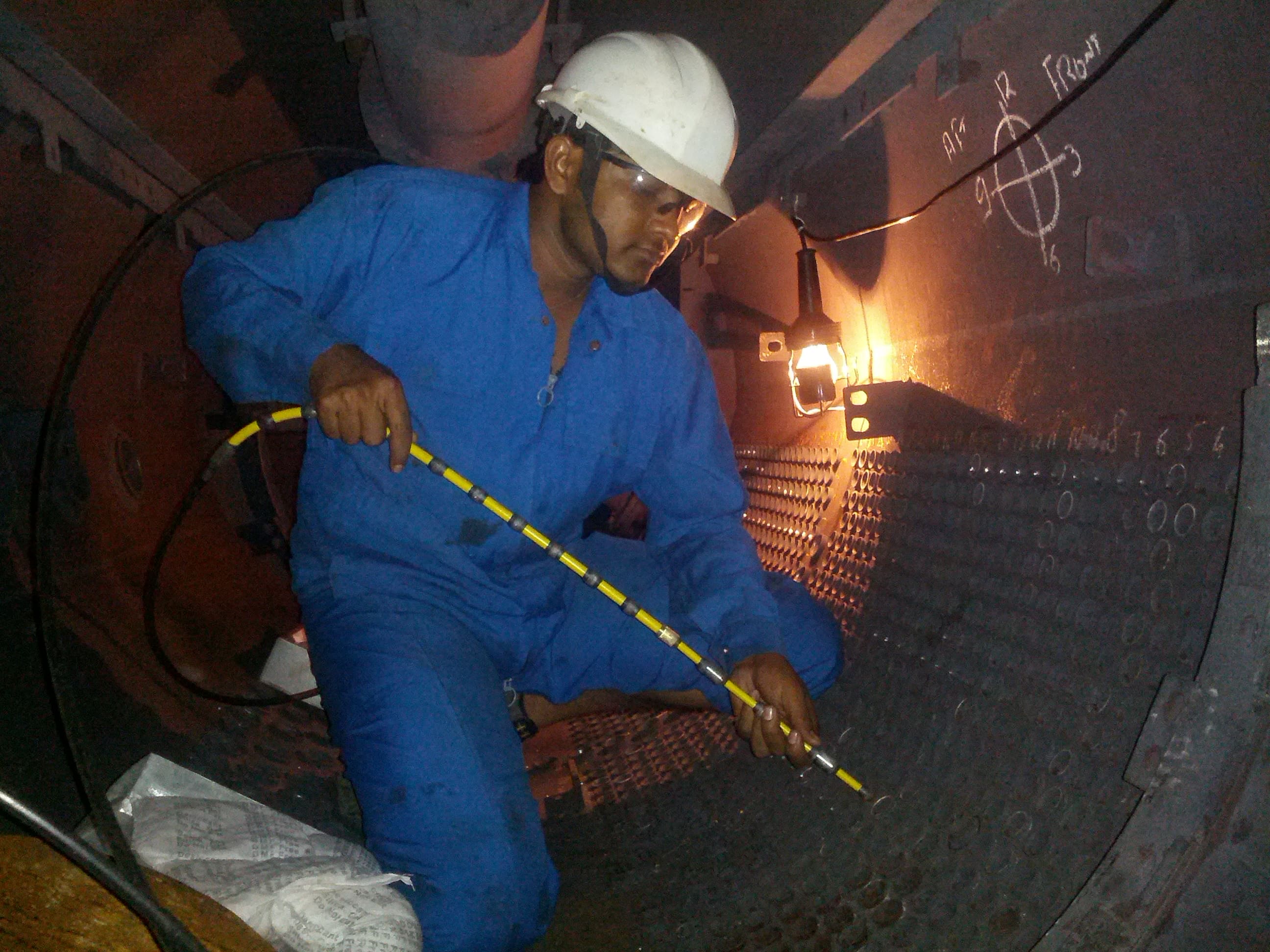
TFET + ID Flex Array Probe
NDT Technologies combines TFET with fixed-diameter probes for normal tubes and a specially designed ID Flex Array Probe for swage applications, targeting high sensitivity and broad circumferential coverage through the full tube length.
Asset challenge
A conventional fixed-diameter probe cannot simply pass a reduced swage and still maintain useful sensitivity afterwards. The ID Flex Array Probe is designed to collapse through the restriction, expand behind it and keep detector coils positioned close to the inner diameter.
Inspection architecture
Select an evidence layer to see how it contributes to the inspection decision.
The probe collapses through tight diameter reductions and expands again behind the swage.
Coverage & decision
Normal tubes can be inspected with fixed-diameter TFET probes, while swage tubes use the flexible array configuration. Together they support full-length assessment rather than inspection only at accessible straight sections.
Field evidence
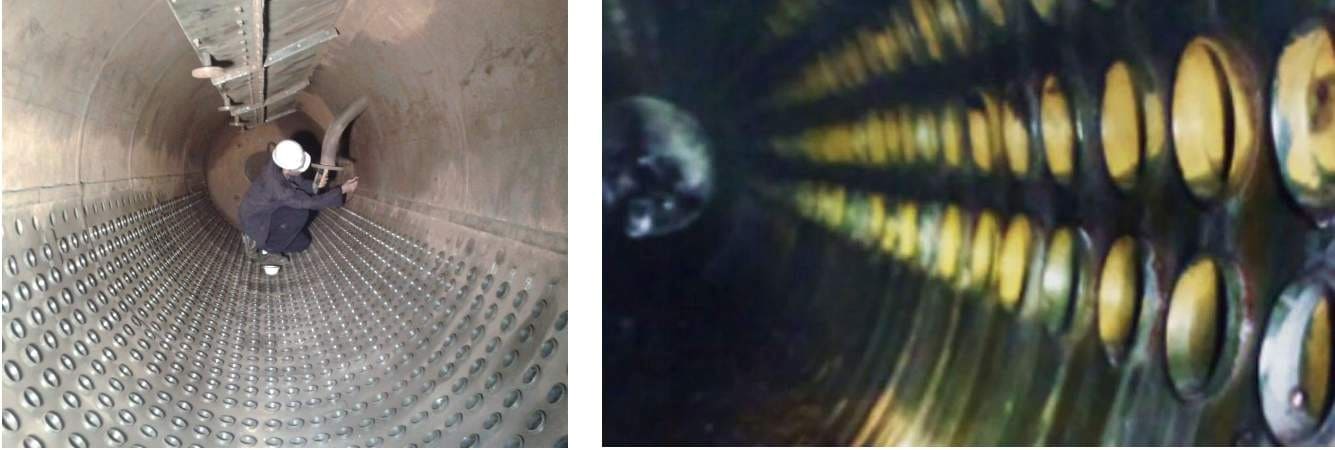
The imagery below is sourced from the original NDT Technologies service material and presented in a new evidence-led layout.
Engineering outcomes
The value is not the sensor alone—it is the quality, coverage and usability of the evidence it produces.
Array-based detector positioning supports better spatial resolution of indications.
Staggered detector groups extend coverage around the circumference.
TFET can operate with less surface preparation than many traditional techniques.
The design is intended around actual boiler access through drum-to-drum geometry.