
Earlier problem detection
Identify developing material response before a failure mechanism becomes advanced.
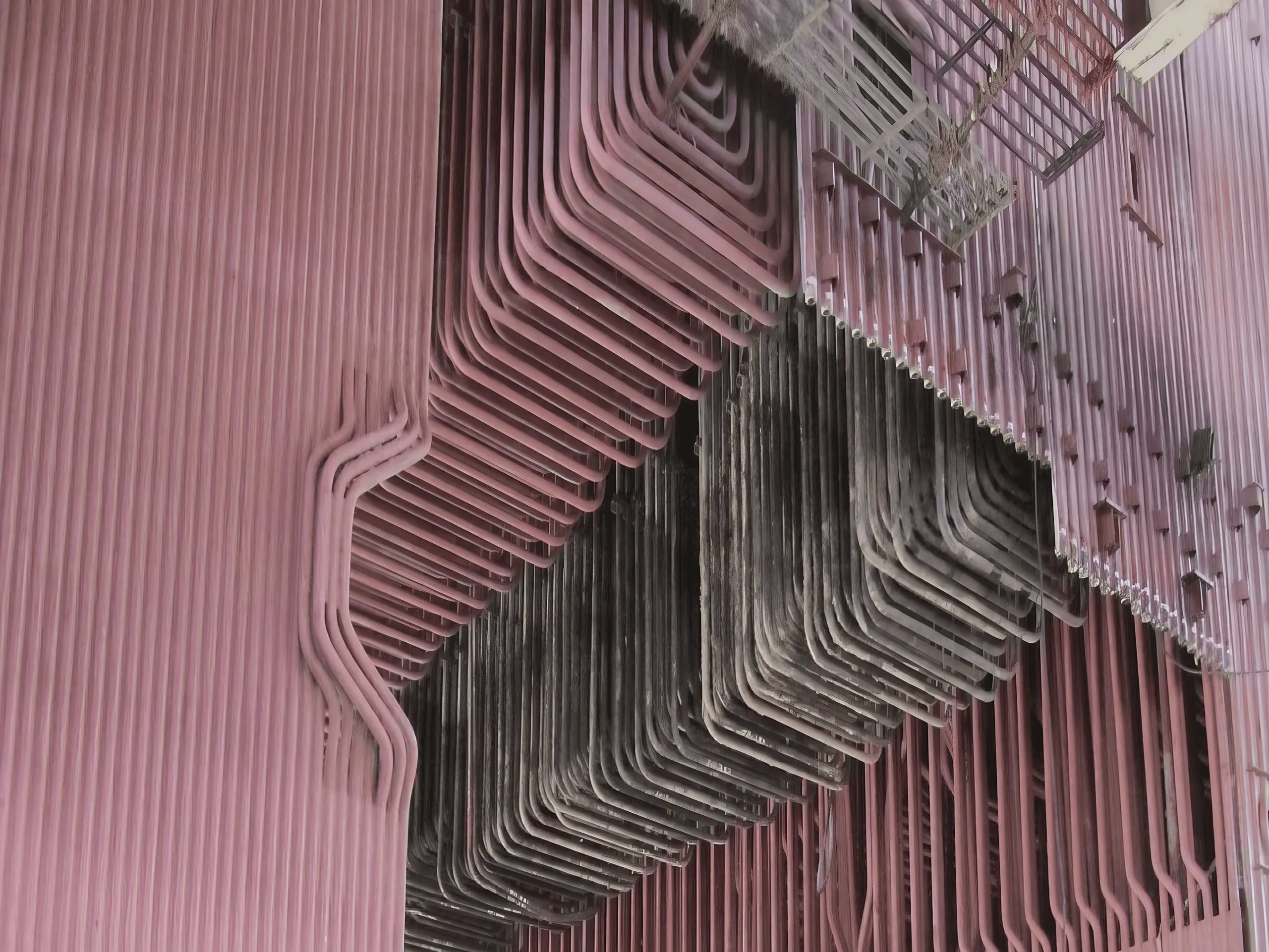
TFET flexible-bend inspection
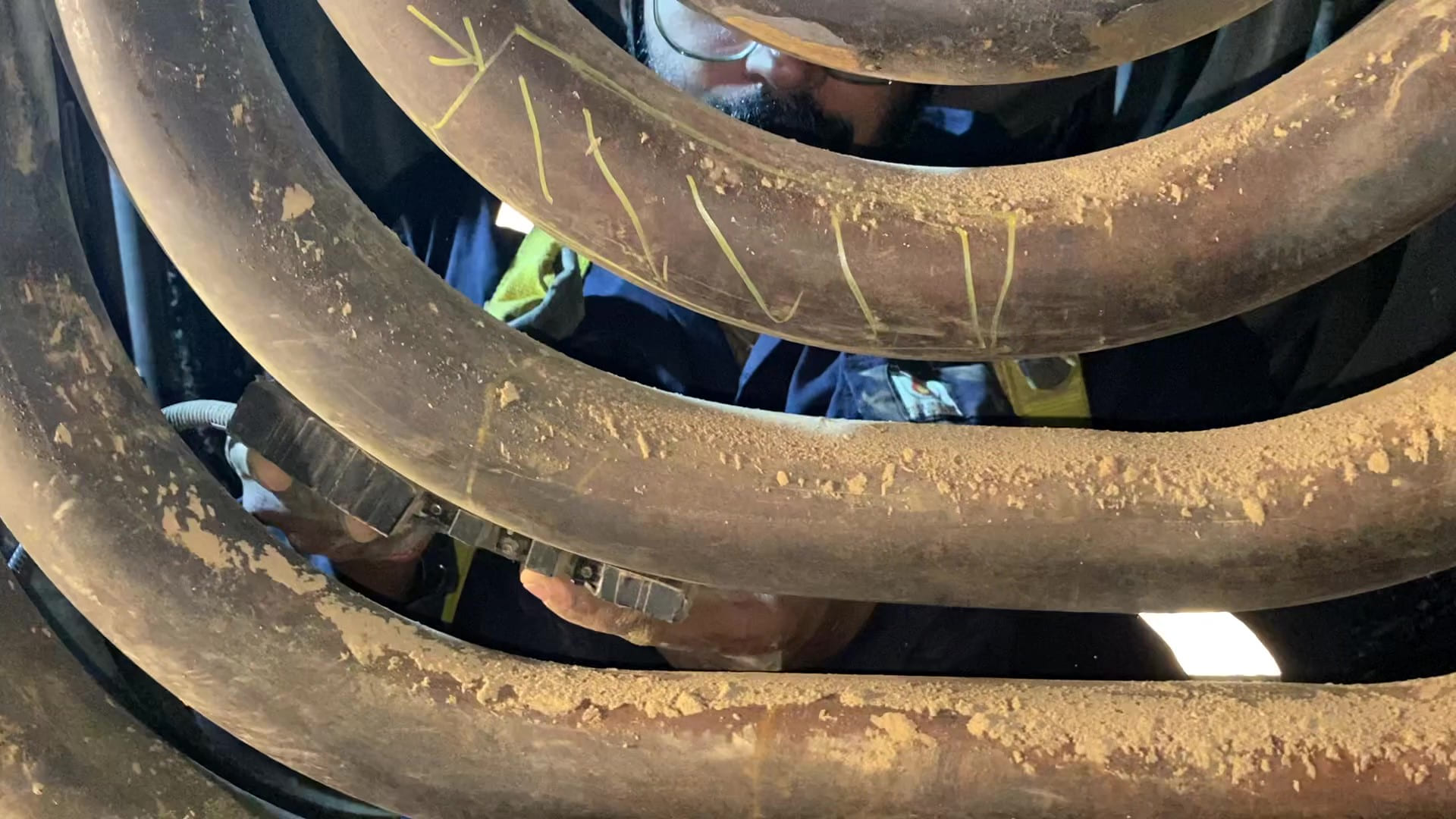
TFET combined with specially designed flexible bend probes supports inspection of platen and finished superheater coils for early creep, oxidation, microstructural degradation and stress-related damage through difficult coil geometry.
Asset challenge
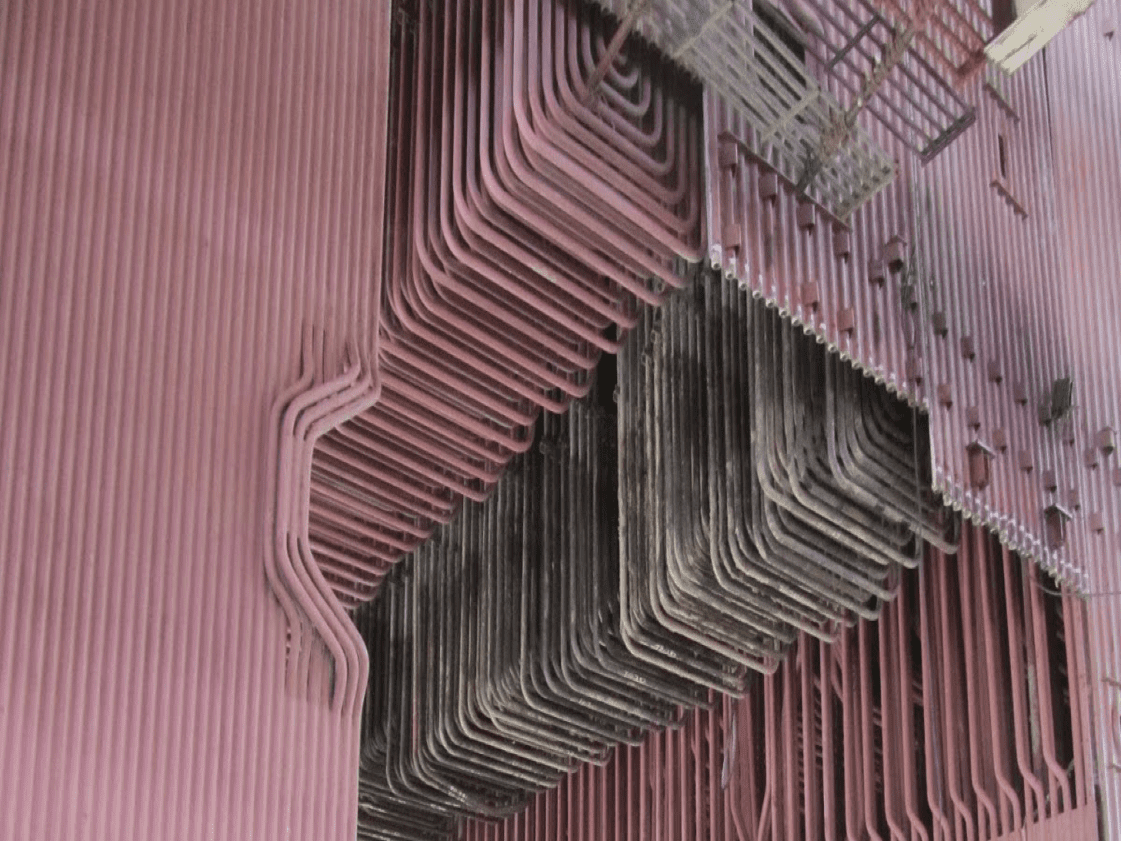
Superheater coils operate under high temperature and pressure, making them susceptible to creep, oxidation and microstructural degradation. Thermal cycling also concentrates stress in tight bends, where conventional access can be difficult.
Inspection architecture
Select an evidence layer to see how it contributes to the inspection decision.
TFET is used to identify subtle material changes before large dimensional deformation becomes the only warning sign.
Coverage & decision
The combination of TFET and flexible probes is intended to improve coverage, reduce preparation and support targeted maintenance around the areas most exposed to heat, pressure and thermal cycling.
Field evidence
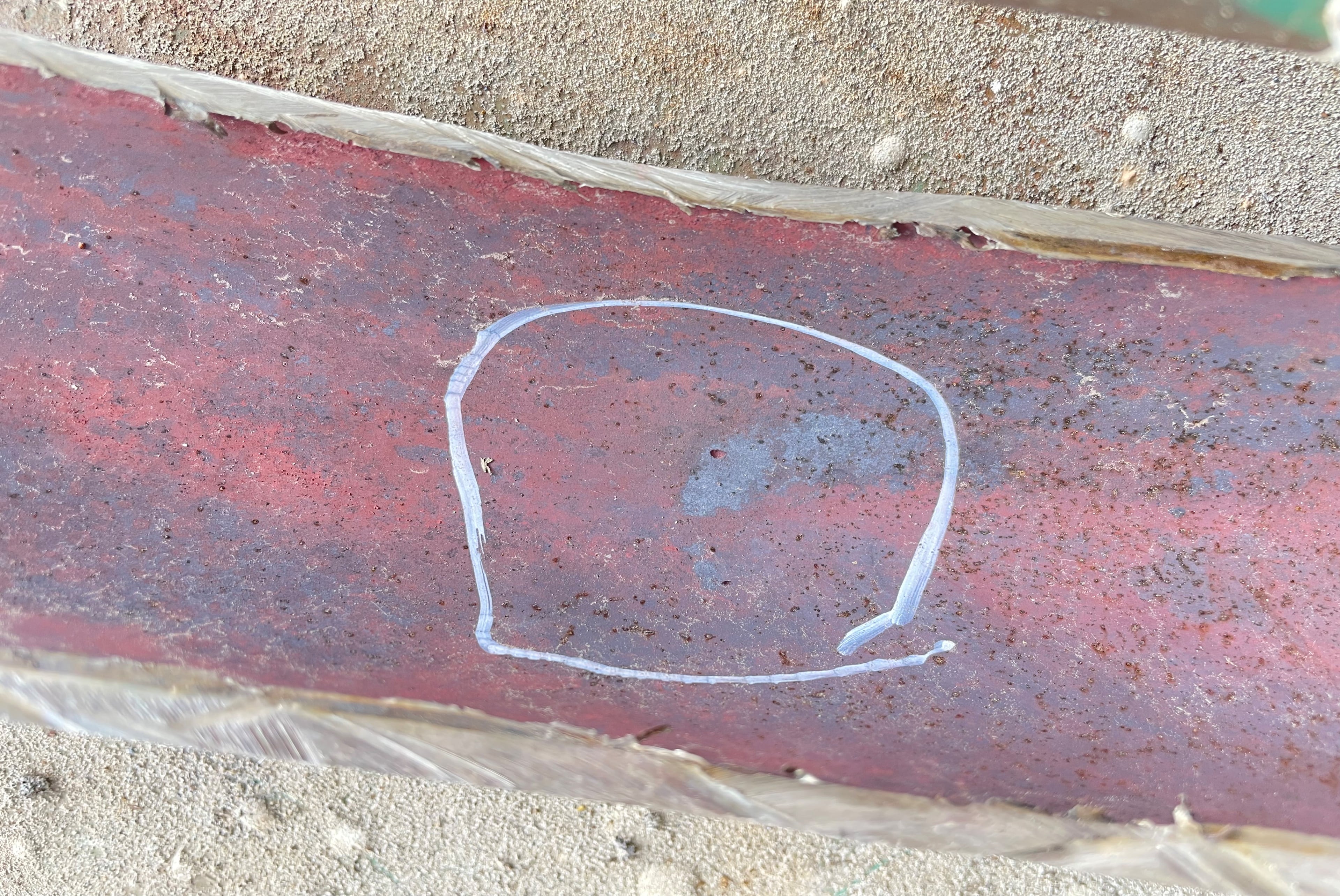
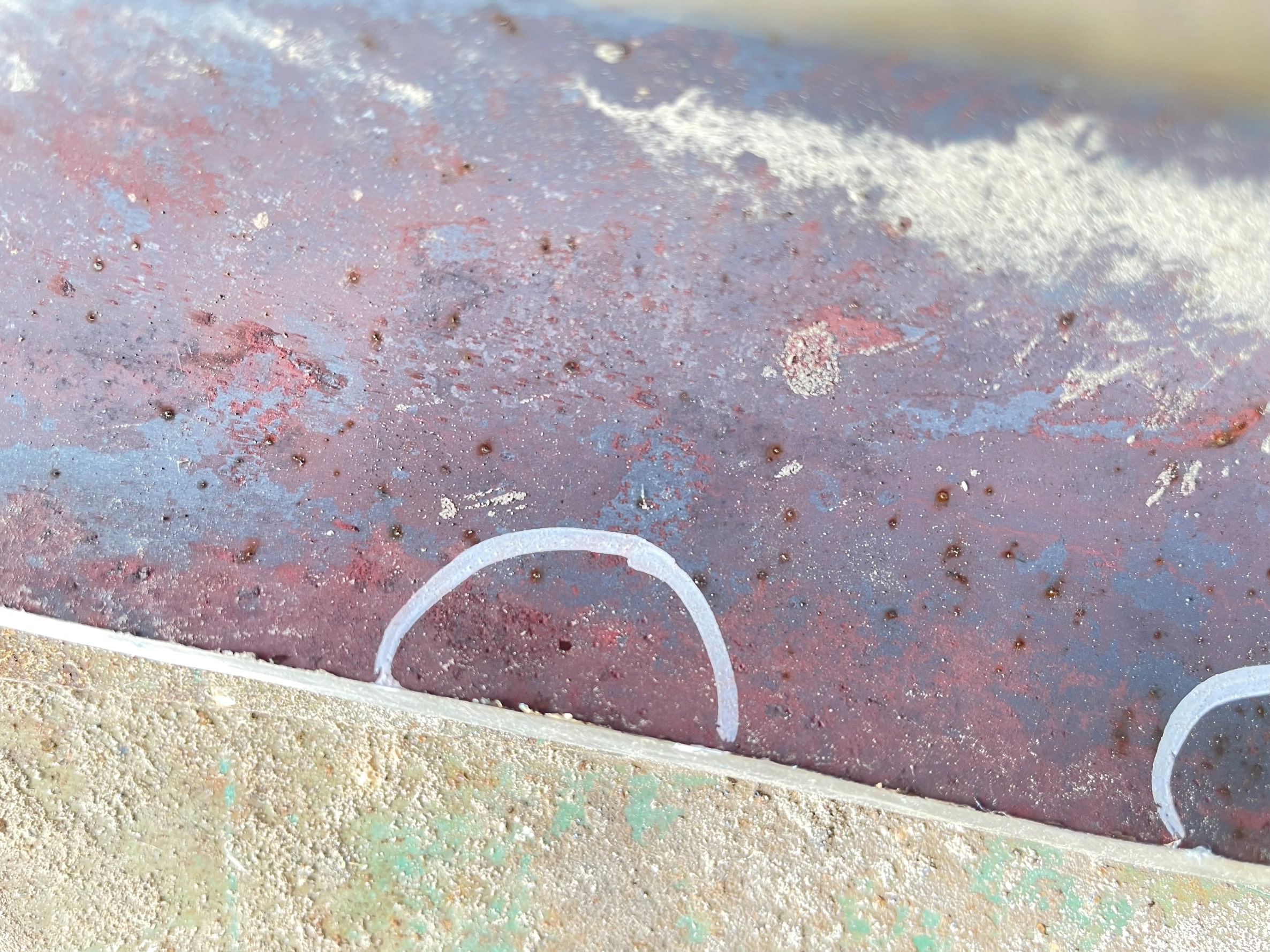
The imagery below is sourced from the original NDT Technologies service material and presented in a new evidence-led layout.
Engineering outcomes
The value is not the sensor alone—it is the quality, coverage and usability of the evidence it produces.
Identify developing material response before a failure mechanism becomes advanced.
Extend inspection into geometry that is difficult for conventional rigid probes.
Conduct targeted inspection during planned maintenance rather than reacting to unplanned failure.
Use inspection results to focus repair or replacement on the most affected coil areas.